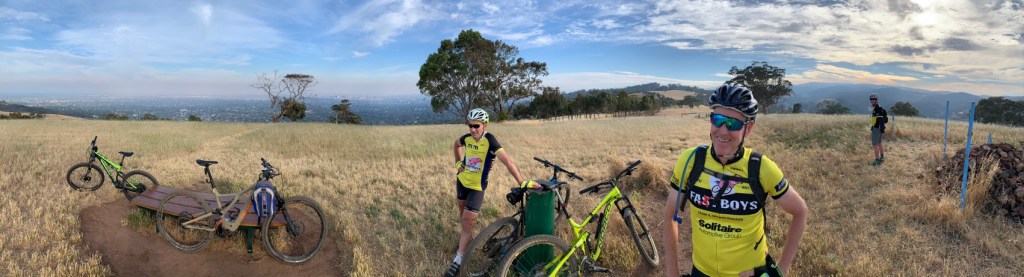
More and more Fatboys are adding a Fat Tyre bike to their bike shed and to their weekly rides. The reasons are obvious and include the novelty and challenge of going off-road, getting away from cars and being surrounded by trees and wildlife, all whilst riding with your Fatboy friends (or alone), staying fit and having a coffee or an ale at the end of the ride. Adelaide is surrounded by hills and they’re easily accessible by fire tracks and single trails within 20 minutes of the Eastern suburbs. This series of articles is about giving you some basic information to help make your transition to mountain biking safe and enjoyable. Future articles will focus on the basics of riding the trails and on e-Mountain Bikes – stay tuned. This article isn’t about gravel riding – I’ll leave that to someone more qualified – except to point out that you can ride a mountain bike on gravel – it just won’t be as fast or as fashionable.
It sounds obvious – but just because you have ridden a road bike, some of those skills don’t equip you for riding the trails. Take the time to do some research, ask advice and even consider taking a beginner mountain bike course. Mountain biking for beginners can be very safe if you are well prepared.
Things to consider – what sort of riding are you planning to do? What bike will best suit your needs? How much do you want to spend? Where can I ride? What are the fatboy mtb ride options?
What sort of bike is right for you?
Ask for advice – read the article below, talk to one of the fatyre fatboys (pick one who has your dimensions) do some on-line research and then talk to a bike shop that has expertise in MTB such as Bicycle Express, Mitcham Bike Shop, WillRide (eMTB), Super Elliots and many more.
As with your road bike starting somewhere in the middle of the range is going to suit most people as it gives you a more capable bike with more durable running gear and the price is more reasonable.
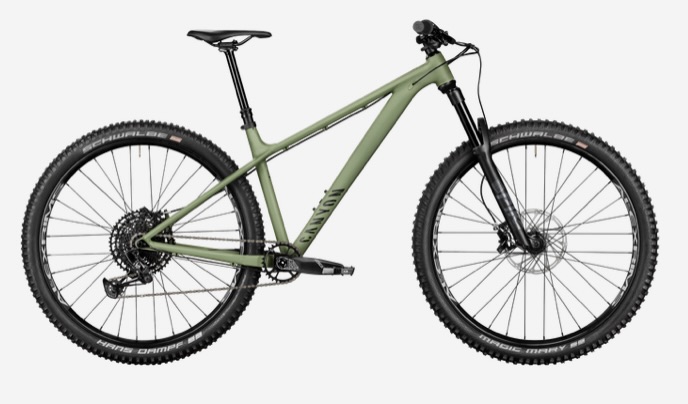
Hard Tail or Dually – all mountain bikes have front suspension. If you have front and rear suspension it’s dual suspension or a ‘dually’. Hard tails can be quite capable on the tracks and trails the cruising fat tyre fatboys go on – such as through Cleland, Belair National Park, Craigburn, Shepherds Hill and Lynton trails. If you have good knees and use your legs as rear shock absorbers (see “ready position” in a future article) you will be fine over most of the trails we cover and several fatboys only have ‘hard tails’. They do bounce around a bit more on the bumpier trails and at speed this may reduce your rear braking as the rear wheel will have less time contacting the ground. They are cheaper, but definitely get a mid-range model hard-tail with ‘enduro’ geometry, a ‘dropper’ seat post, better gearing and better disc brakes as it will be safer and more capable. Expect to spend $1500 – $3000.
A dually is going to be more comfortable as the rear suspension soaks up some of the bumps and drops. Most fatboys aren’t into jumps but if you go down that path a dually is advisable. Rear suspension also keeps your rear wheel on the track more and makes braking more effective – this is most important for the larger fat fatboy where an over-engineered bike is wise. Dually’s are more expensive and a mid-range aluminium frame model will cost $3000 to $5000 depending on the level of the brakes, suspension and gears.
Dropper seat post – definitely get one. This gives you the ability to lower and raise your seat with the press of a lever on your handle bars. Lowering your seat allows you to lower your bum, and push your weight back (or your bike forward depending how you look at it), which lowers your centre of gravity and gives you more stability on descents and over drops and jumps. Raising your seat post gets you in a better position for riding up hils and on the flat. Most mid-range mtbs will come with a dropper seat post – it’s a good investment.
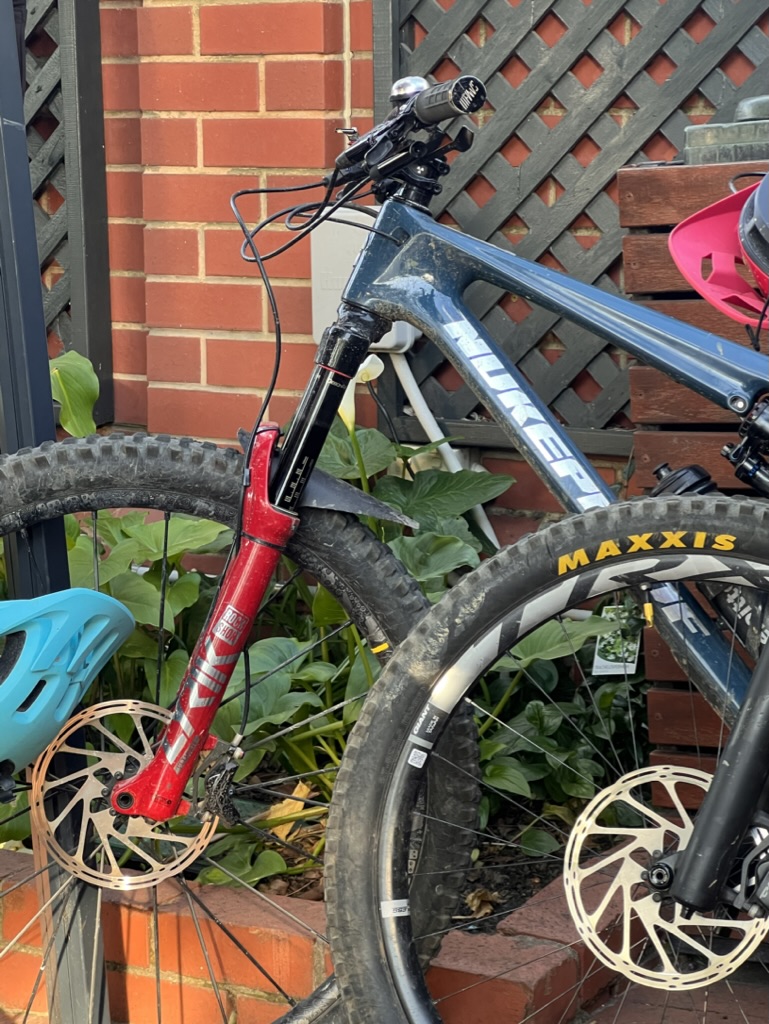
Tyres – the choice is 27.5″ or 29″ or a mullet. Tubes or Tubeless? The bigger the wheel diameter the easier it is to roll over the bumps, but also a little bit heavier. The smaller wheels are more maneuverable and a little lighter. Fatboy rule of thumb is get the 29″ unless you are a little guy. Some high end mtb bikes come with a mullet set up – 29″ on the front and 27.5″ on the rear – aiming for good rolling and better maneuverability. For Fatboy mtb cruising stick to one wheel size as you’ll only need to carry one size of spare inner tube. ‘Tubeless’ are tyres which have no inner tubes and have sealant which will seal most punctures as you ride on oblivious. Most mid-level bikes will have these – but check when you buy. Wheels that are TR – means they are ready for tubeless but you or the bike shop will need to do that and it is worth it – check the tyre is also suitable for tubeless and invest in some sealant. You still need to carry a spare inner tube as occasionally you can get a tear in a tyre which won’t seal. You’ll need to top up the sealant every 3-6 months depending how far and how hard you are riding.
More info on tubeless tyres – https://www.bikeradar.com/advice/buyers-guides/tubeless/
Forks (front suspension)- a mid-range bike will come with mid-level forks but check with the bike shop. If you aren’t doing jumps you don’t need the best forks but mid-range will provide durability. They’ll have adjustable amount of pressure but in general most of us leve these at maximum cushioning all the time.
More information on MTB Suspension – https://bikexchange.com/mountain-bike-suspension-guide/
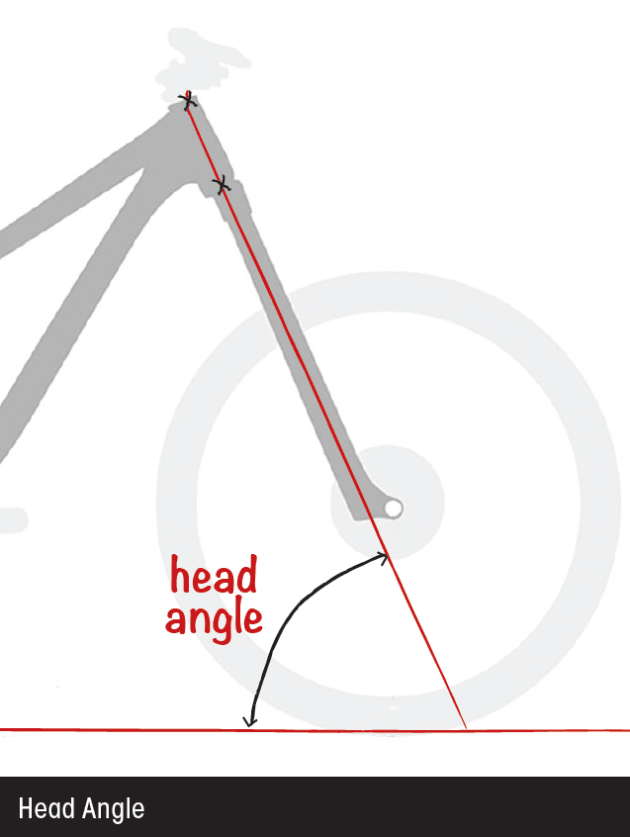
Geometry – the choice goes with the style of riding you plan to do – cross country, all mountain, enduro or down hill. In recent years the various categories have blurred but in general ‘enduro’ or ‘all mountain’ is best for fatboy mtb. These styles give you a good combination of down hill stability and maneuverability whilst still being light enough and upright enough to ride efficiently up hill. If you want to be more technical the head tube angle is important – a slacker angle is more stable – this is the angle between the forks and horizontal. A slacker angle means your front wheel is further in front of you and you are less likely to go over the handle bars. Bigger knobblier tyres are also more stable but have more rolling resistance – so it depends on the style of riding you plan to do and how big you are. If you plan to use your hard tail for gravel rides then a cross country style of bike, with narrower tyres is more appropriate but it will be less ess capable down hill – however the blurring of categories means they are probably more than adequate for fatboy rides. You can always change your tyres as time goes on.
More information on MTB Geometry – http://www.mtbiking.com.au/how-to/bike-tech/mtb-frame-geometry-explained
 FATBOYSCC